



The Bangladesh tannery industry remains a vital economic pillar, contributing approximately 0.6 per cent to the national GDP and generating over USD 1 billion in annual export earnings. However, as global markets, particularly in Europe and the US, demand higher environmental standards, the sector faces increasing pressure to transition toward sustainable energy.
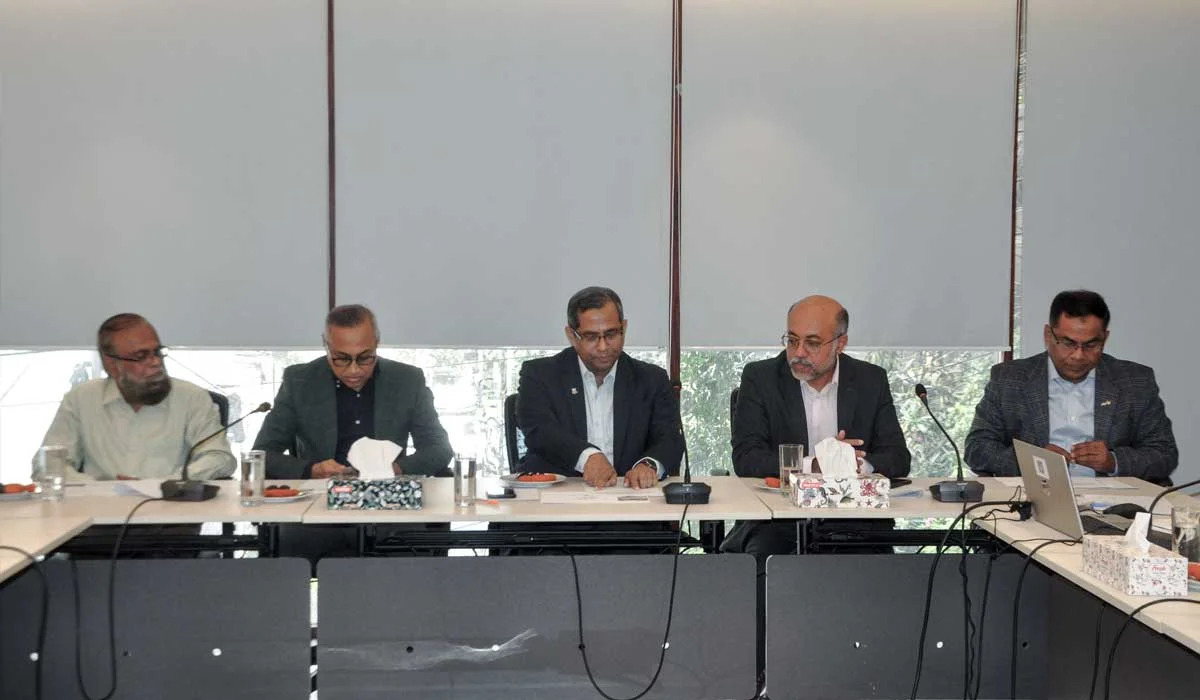
On February 18, 2026, CPD’s Power and Energy Study hosted a discussion session under the Private Sector Renewable Energy Forum (PSREF), in collaboration with the Bangladesh Tanners’ Association (BTA). The session focused on how the tannery sector can move beyond traditional energy consumption by integrating renewable energy solutions to lower operating costs and reduce greenhouse gas emissions.
During the session, participants reviewed successful case studies, such as the UNIDO-led “Re-Tie-Bangladesh” project, which implemented solar water heating systems in three tanneries. These initiatives have already demonstrated that RE adoption is not merely a theoretical goal but a practical way to achieve significant energy savings. However, industry leaders noted that while large-scale projects are visible, the broader adoption of rooftop solar and other green technologies is still in its infancy within the tanning clusters. The discussion emphasised that for the industry to maintain its 3 per cent share of the global leather market, a shift toward “green” manufacturing is essential to meet the compliance requirements of international buyers.
The open floor discussion revealed that financing and technical complexity remain the primary hurdles for most tannery owners. Md. Shaheen Ahamed, Chairman, Bangladesh Tanners’ Association (BTA), pointed out that many tanneries are eager to transition but struggle with the lack of technical expertise and the high cost of high-quality solar components. Furthermore, representatives from the banking sector, including Ms Tahmina Zaman, Head of Sustainability at Mutual Trust Bank Plc. (MTB), highlighted a significant challenge in the financial landscape: many commercial banks are failing to meet the strict sustainability compliance scores required to facilitate green funding effectively. This creates a bottleneck where available green finance does not reach the factories that need it most.
To bridge these gaps, CPD and BTA have committed to a collaborative roadmap through the PSREF, focusing on targeted advocacy and capacity building. A key outcome of the session was the decision to produce specialised knowledge products to guide factory owners through the technicalities of solar installation and the documentation required for green loans. CPD will also intensify its role as a bridge between industry and financial institutions, advocating for more streamlined lending processes. Through the clarification of technical and financial complexities associated with the energy transition, the PSREF seeks to secure long-term sustainability for the tannery sector while maintaining its competitive edge in the global leather market.