



PRAN- RFL, one of the largest conglomerates in the country, has business in food processing, electrical equipment, machinery, ICT, etc. This business body is now planning to generate 150 MW of electricity from renewable energy, of which 100 MW will be generated from the rooftop solar PVs installed in the factory. PRAN- RFL has another 200 MW of RE in the pipeline and aims to generate at least 100 MW of renewable electricity every year.
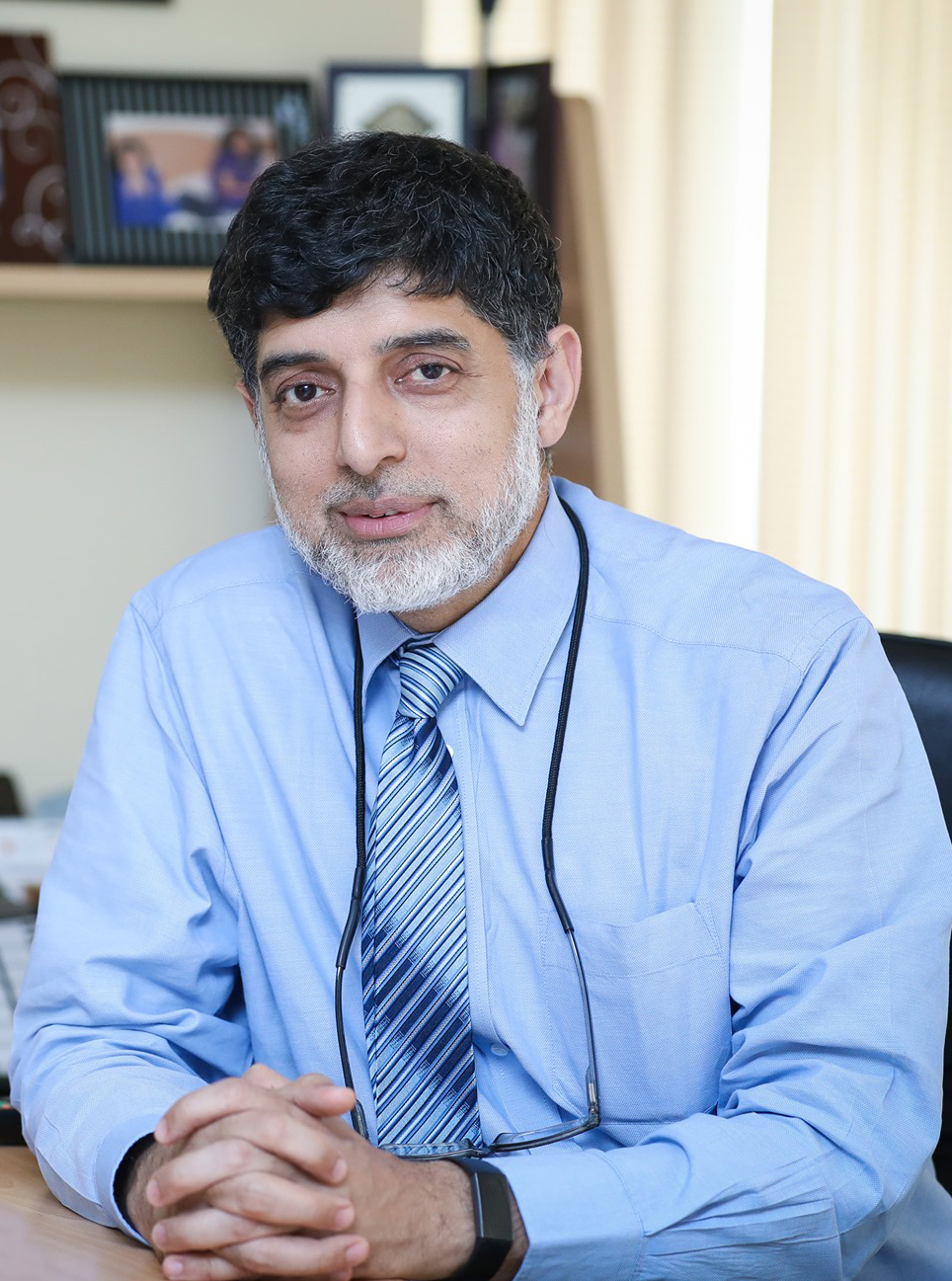 Ahsan Khan Chowdhury (Chairman & CEO of PRAN-RFL Group)
Pran- RFL has shown firm dedication and commitment towards the expansion of renewable energy at the company level. What was the motivation behind going for renewable energy?
Mr Chowdhury: Renewable energy is the future of Bangladesh, and business has also started to realise it. Those who are yet to realise the necessity of renewable energy will soon understand that any business needs to be sustainable to grow and flourish. In the future, renewable energy will be the precondition of doing business in the world. No business will be able to sustain in the export market without transitioning towards renewable energy and depending on conventional fossil fuel-based power. So, if we want to do business and sustain in the long run, there is no alternative to renewable energy in Bangladesh.
After expanding its business, Pran-RFL aims to focus on renewable energy projects. Does the PRAN-RFL group have any year-wise targets that they want to achieve from renewable energy?
Mr Chowdhury: Pran- RFL is planning to generate 150 MW of electricity from renewable energy, of which 100 MW will be generated from the rooftop solar PVs installed in the factory. We have another 200 MW in the pipeline and aim to generate at least 100 MW of renewable electricity every year.
Is PRAN-RFL considering any feasible way to reduce the share of fossil fuel (diesel or gas) based captive power plants?
Mr Chowdhury: Undoubtedly, PRAN wants to reduce the share of fossil fuel usage in industry. We are planning to expand and use renewable electricity in parallelly with fossil fuel. The end goal is to be 100 per cent self-dependent through renewable energy.
To get power from renewable sources as the factories install rooftop solar systems, which type of enterprises are preferred? If so, will the existing building infrastructure help to install the solar system, or does the building’s infrastructure need to be changed?
Mr Chowdhury: Our vision is that there will not be a single factory under PRAN-RFL that will not generate solar power through rooftop solar PVs. We have declared the installation of rooftop solar PV as a precondition for all our factories. The only infrastructural change we have to do is to change the tin roofing sheet of the buildings. In order to install solar PVs and sustain them in the long run, a specific high-quality tin roofing sheet is needed. That is not a problem at all because we need to regularly change the roof of rooftop solar panels after a few years.
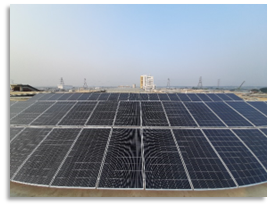 Rooftop solar of RFL Habiganj Solar Park
What are the major challenges and limitations faced by PRAN-RFL in order to start renewable energy in Bangladesh?
Mr Chowdhury: The major limitation of renewable energy is that it is very costly and requires a hefty amount of investment. On top of that, the banking system of Bangladesh is not really renewable energy-friendly. Rather, foreign long-term loans with low interest rates are more feasible for investing in renewable energy in Bangladesh. Another limitation is land availability, as Bangladesh does not have much arable land; we cannot overutilise the existing arable lands of Bangladesh. We have to be very cautious about selecting which lands to use for solar energy.
From the investment point of view, will Pran self-finance the renewable energy projects or will it be based on bank loans?
Mr Chowdhury: PRAN- RFL has utilised the available public and government funds for renewable energy. We have particularly used the Bangladesh Bank renewable energy financing scheme. But we don’t really want to depend only on government financing. Additionally, we are also looking for foreign investments for our next 100 MW.
From the industrial electricity demand perspective to what percentage share of renewable energy can meet? Not only from solar PVs but also from the grid, cost-wise, is it possible to fully meet the factory operation from renewable energy?
Mr Chowdhury: We are moving towards a more labor-intensive economy as the investment opportunities are shrinking and will continue to shrink more in Bangladesh. So, our businesses will have to plan according to the current situation. As the usage of capital machineries will reduce in the future, so will the demand for electricity. Keeping that in mind, we can achieve 100 per cent share of renewable energy at the industry level and ensure uninterrupted power supply for production as well. We must use a battery storage system to do so.
As a profit-making business organisation, you have done a cost-benefit analysis of renewable energy. Will transforming to renewable energy be beneficial for businesses and factories?
Mr Chowdhury: The rate of return for the renewable energy business is still very low. Hence, we need financing aligned with the renewable energy return period. For example, if I start a renewable power plant and reach the break-even point in 12 years, we need project financing for 16 years. So, the financing period must exceed the renewable energy return period so that it can be a profitable business.
Do you think that other major businesses may consider renewable energy as a suitable option for the energy source and an initiative similar to energy transition goals?
Mr Chowdhury: I believe everyone, and every business, will be attracted towards renewable energy and will start generating and using renewable energy. If every business does their cost-benefit analysis and starts generating renewable energy for their own consumption, they will realise that it is profitable and beneficial for the business. Each industry should be independent, self-sufficient, and should not be dependent on the government through initiating renewable energy generation.