


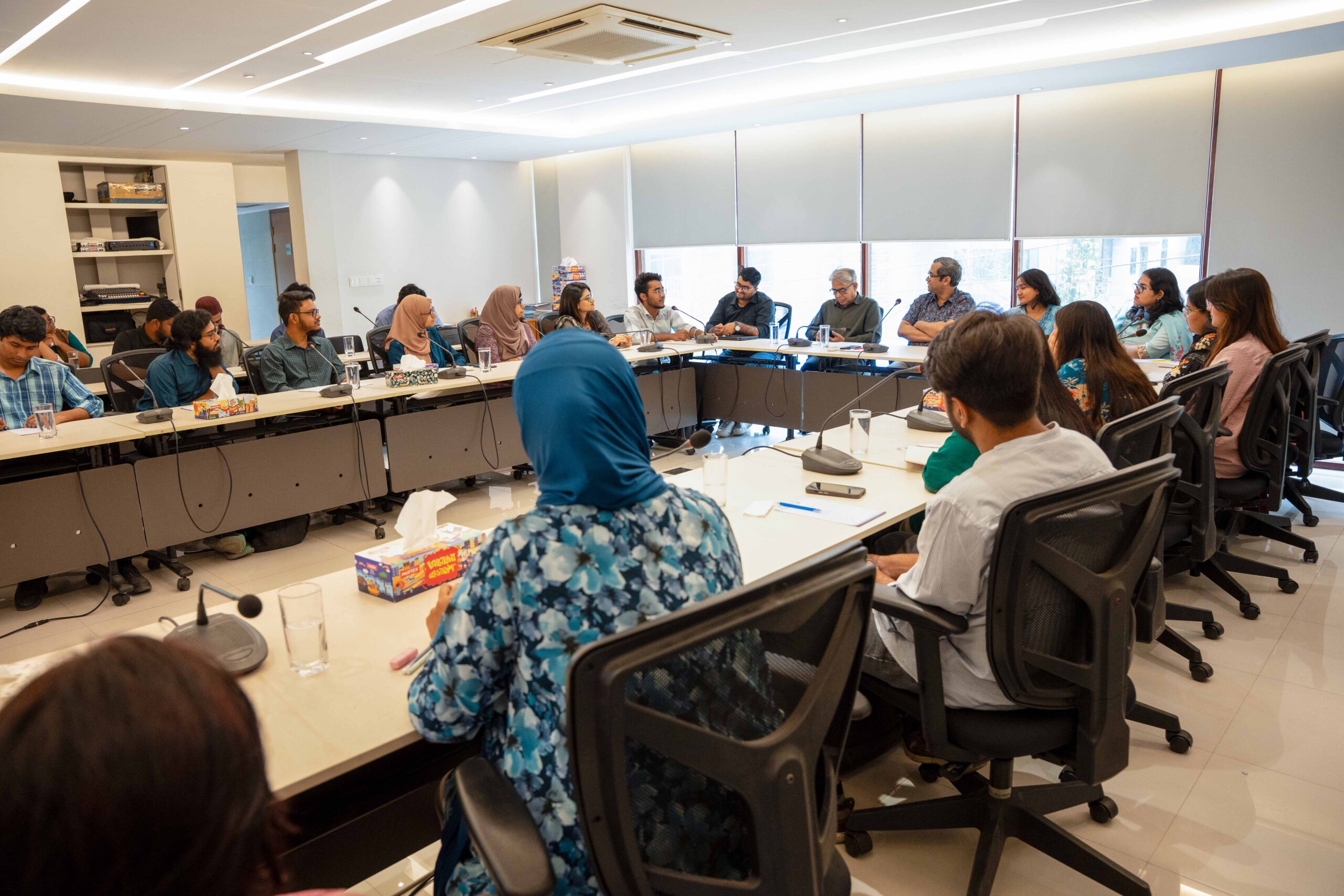
The Centre for Policy Dialogue (CPD) Power and Energy Study has launched the sixth cohort of the Power and Energy Lecture Series: Moving Forward on 11 April 2026, and the composition of this cycle’s selected participants offers a telling reflection of how the broader conversation around energy is changing in Bangladesh and beyond.
From a highly competitive applicant pool, 30 participants were selected through a structured process designed to ensure disciplinary diversity and complementary professional perspectives. The cohort brings together students and young professionals from economics, engineering, finance, business analysis, and international development, with INGO professionals featuring notably this cycle, a sign of the deepening connections between development practice and energy access work.
What distinguishes this cohort most is the rise in applications from environmental science backgrounds. While earlier cycles drew predominantly from technical and economic disciplines, this cohort sees a meaningful shift toward climate and sustainability-oriented professionals seeking grounded engagement with energy policy. It is a trend that CPD welcomes deliberately. The lecture series has always held that contemporary energy challenges resist narrow disciplinary answers, and the growing presence of environmental science practitioners in the applicant pool suggests that this view is now shared more widely across professional communities.
The 6th cohort reflects CPD’s longstanding commitment to countering déformation professionnelle, the tendency to read complex sectoral issues solely through the lens of one’s own training. By bringing economists into conversation with engineers, financiers with environmental scientists, and policy analysts with development practitioners, the programme creates the conditions for the kind of systems-level thinking that Bangladesh’s energy transition genuinely demands.
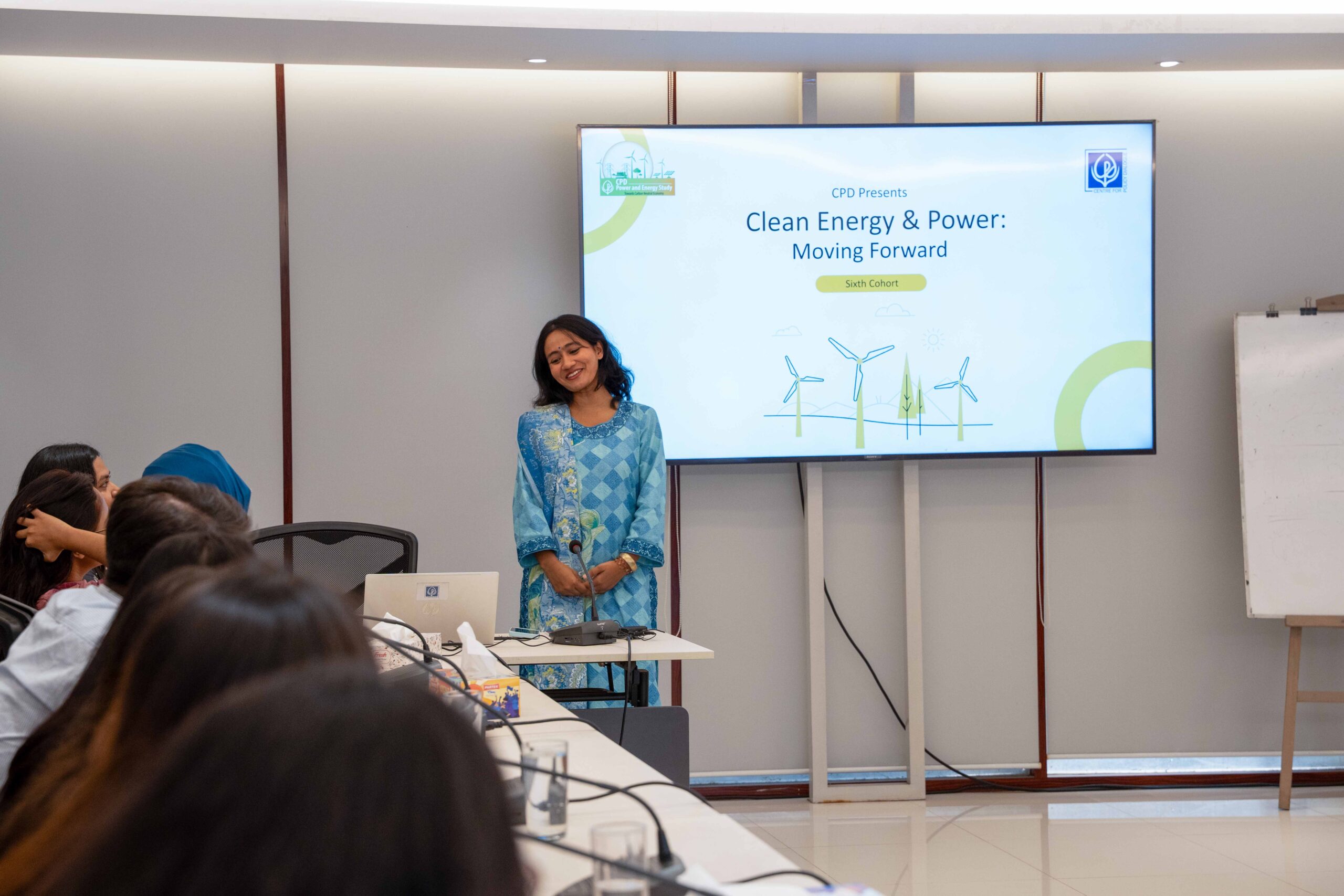
As with previous cohorts, the sixth edition will run across 8–10 structured sessions delivered over eight weeks, facilitated by nationally and internationally recognised experts from academia, government, industry, and research institutions. Their engagement ensures that participants leave with more than academic familiarity; they leave with an understanding of how policy is made, contested, and ultimately implemented. The curriculum continues to bridge theoretical knowledge with practical policy and implementation challenges, with sustained attention to energy transition dynamics, renewable energy deployment, sectoral governance, and financing mechanisms.
The sixth cohort will continue to benefit from the interactive components that have come to define the lecture series. Multistakeholder role-playing simulations will place participants in the roles of regulators, investors, financiers, government agencies, civil society organisations, and financial institutions, offering practical exposure to the coordination challenges and institutional trade-offs that characterise real-world energy policymaking.
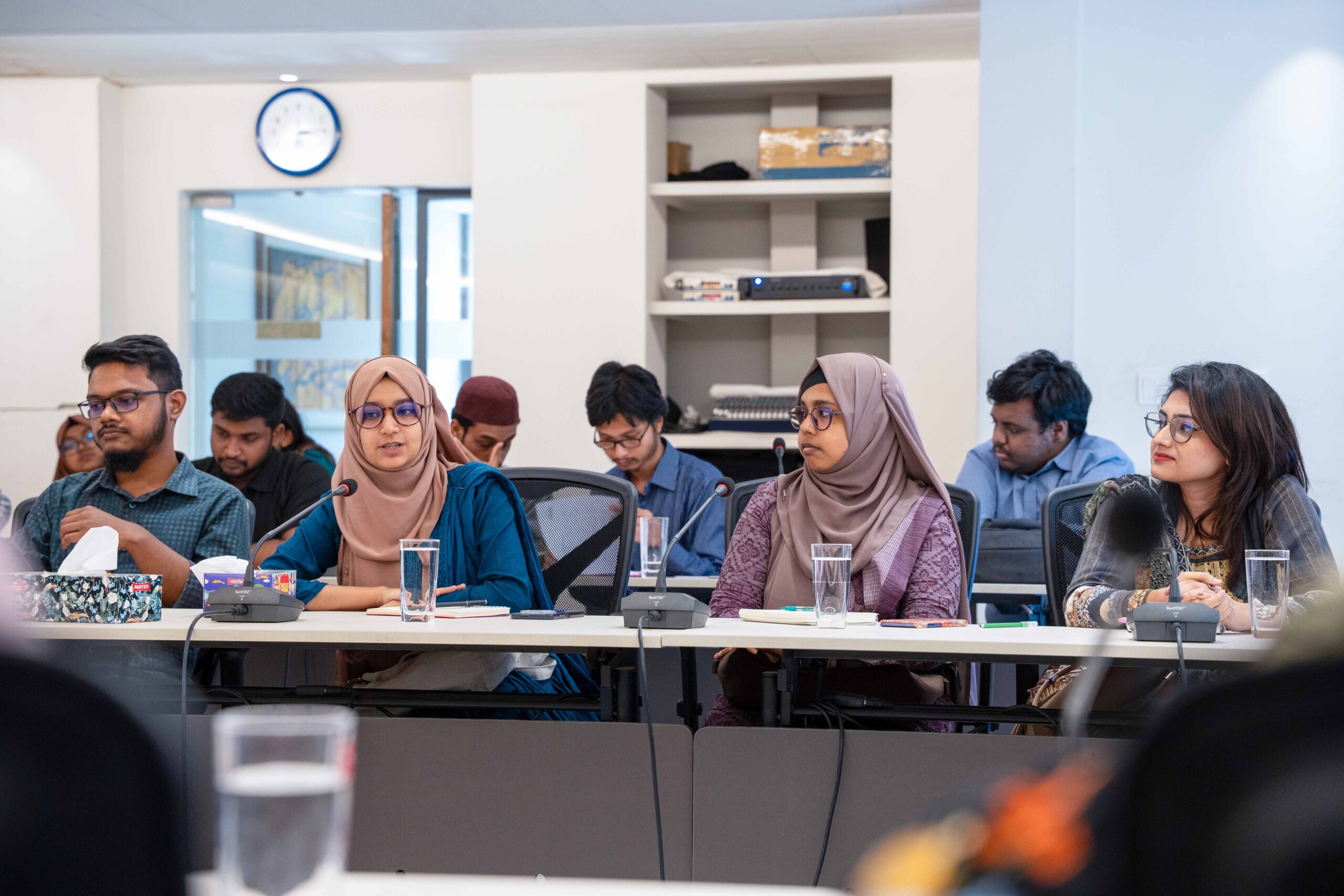
The 3-Minute Thesis (3MT) component will once again invite participants to develop and present focused mini-research projects on power and energy-related topics, reinforcing CPD’s deliberate shift from knowledge transfer toward knowledge generation. The “Turn the Coat” policy debate, requiring participants to argue both sides of contested policy positions, will continue to sharpen analytical rigour and encourage genuine engagement with perspectives beyond one’s own.
A field visit to a utility-scale solar facility will close the programme, grounding the preceding weeks of discussion in the physical and operational realities of Bangladesh’s power infrastructure. These visits remain among the most valued elements of the series, connecting policy frameworks and classroom debates to the tangible challenges of project implementation.
As Bangladesh navigates its energy transition amid growing climate pressures, fiscal constraints, and an increasingly complex renewable energy landscape, the sectors and disciplines that feed into energy discourse are multiplying. The Power and Energy Lecture Series: Moving Forward is designed to meet that moment. Through its evolving structure, interdisciplinary ethos, and emphasis on applied learning and evidence-based engagement, the programme continues to develop the professional community that Bangladesh’s long-term energy and climate objectives will depend upon.